The HCAC public history focused digital archive cataloging is an ongoing process, and we may update this record as we conduct additional research and review. We welcome your comments and feedback if you have more information to share about an item featured on the site, please contact us at: HCAC-DigiTeam@si.edu
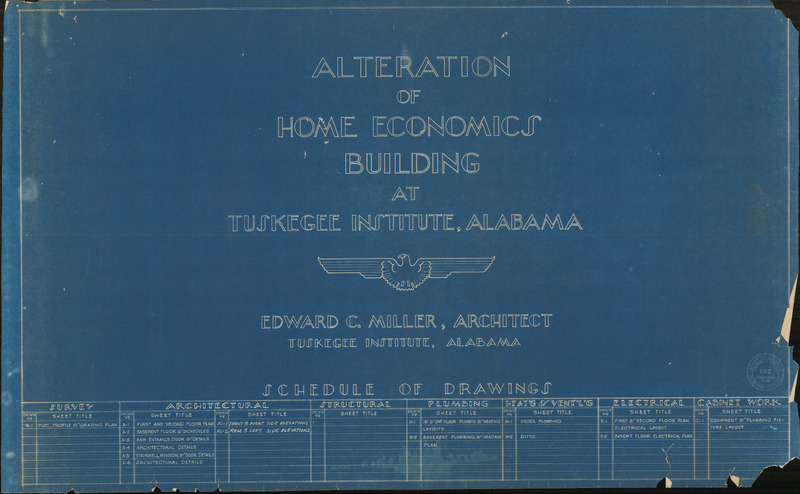
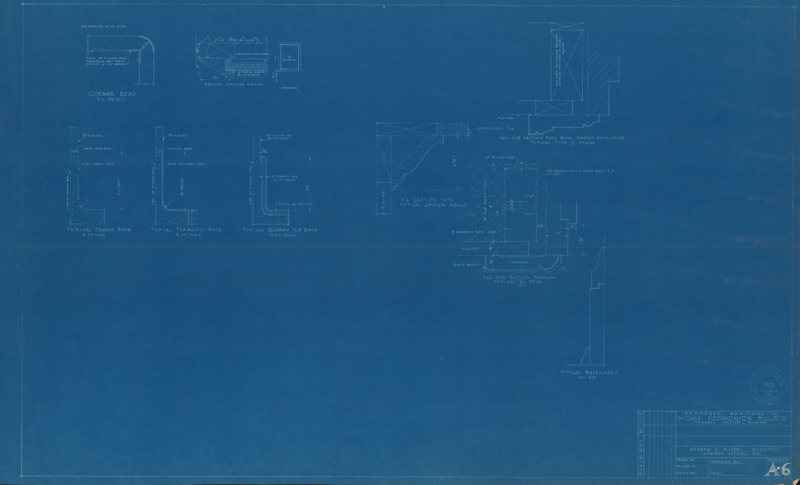
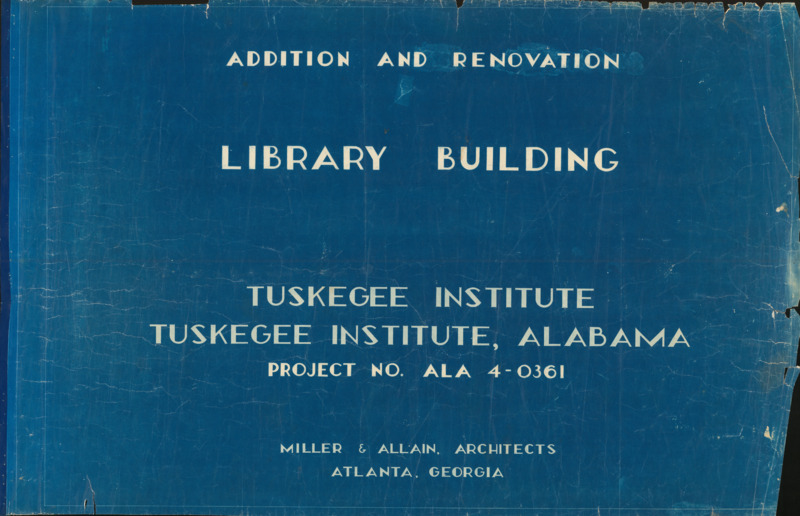
A construction blueprint cover sheet for the home economics building drawings at Tuskegee Institute located in Tuskegee, Alabama. Cover sheet depicts types of drawings within construction set.
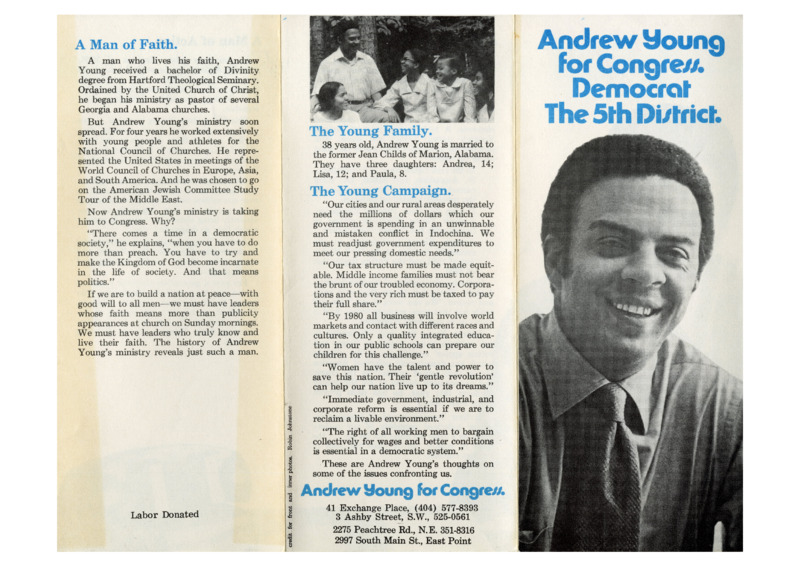
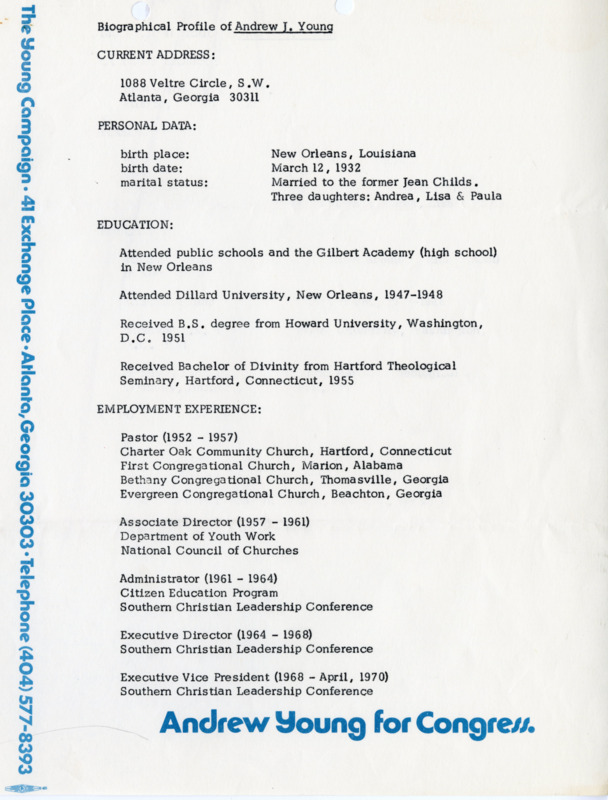
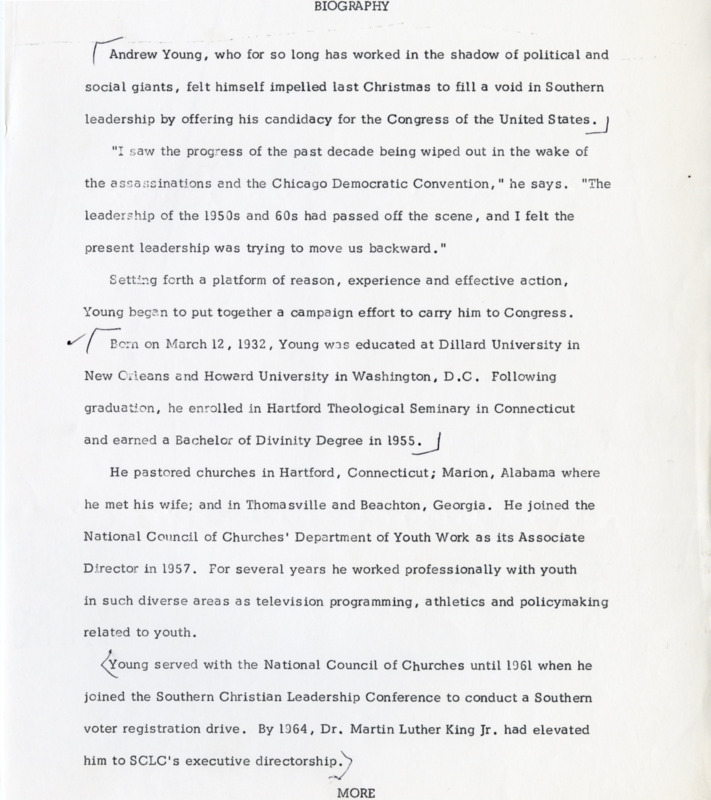
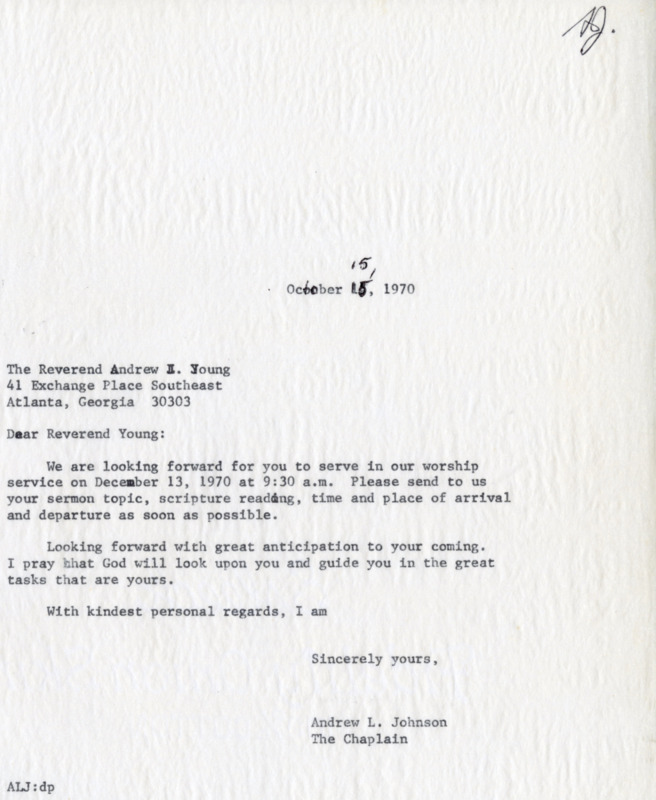
A biography of congressional candidate Andrew Young. This document explains his education and experience and why he is qualified to run for political office.
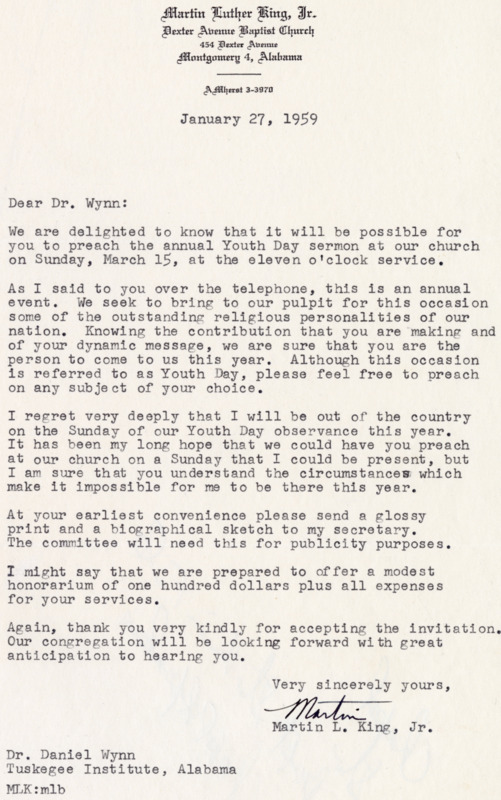
A letter from Dr. Martin Luther King Jr. to Chaplain Wynn thanking him accepting to speak at the Annual Youth Day on March 15, 1959. Unfortunately, Dr. King will not be present to listen to Chaplain Wynn’s sermon due to prior engagements out of the country.
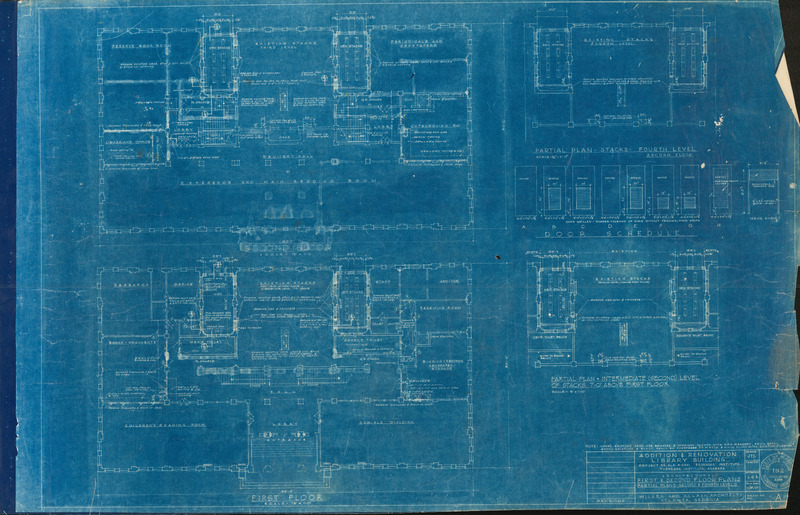
Architectural blueprint drawing of the renovations for the proposed Library Building at Tuskegee Institute, located in Tuskegee, Alabama. The blueprint drawings depict the 1st and 2nd Floor Plans and partial plans for the 2nd and 4th floor levels.
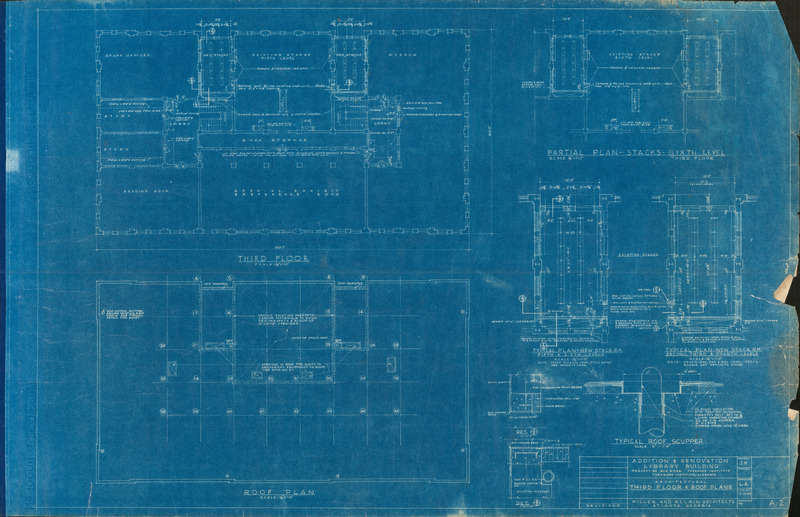
Second Architectural drawing blueprint of the third floor layout and roof layout for the additions and renovations for the proposed Library Building at Tuskegee Institute. Blueprint also depicts typical plan stacks for the second through sixth floors.
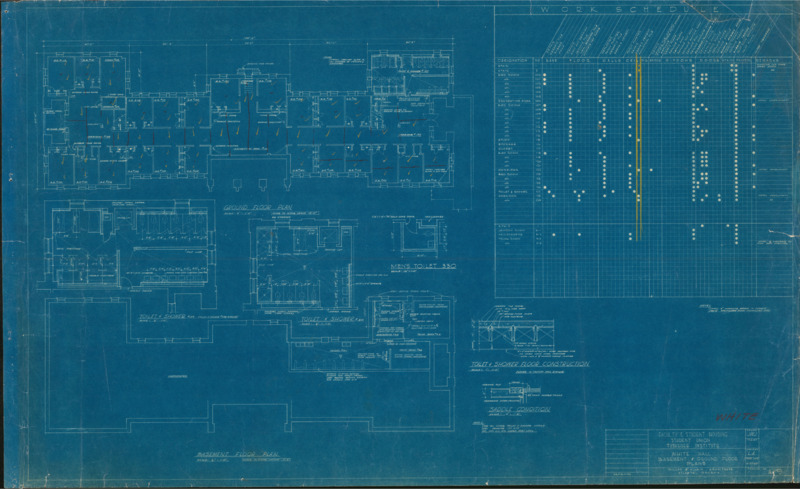
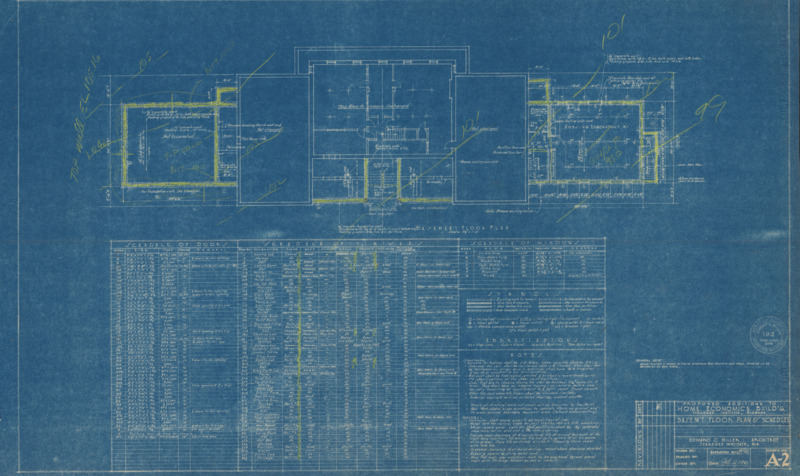
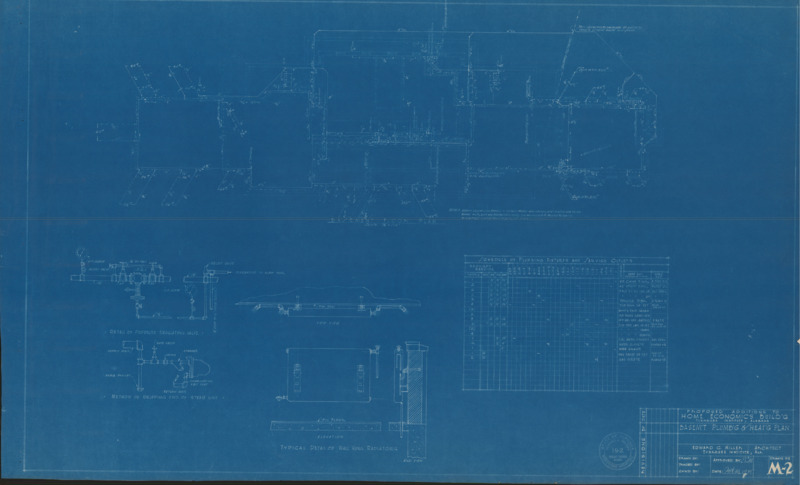
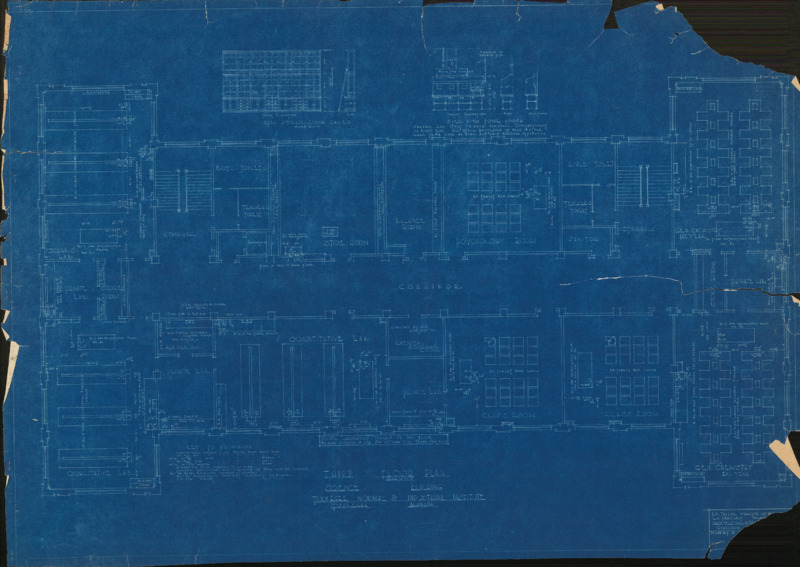
A annotated blueprint for the basement floor plan of home economics buildings with measurements for lab wall renovations. Drawing also includes door schedule, finishes schedule, and window schedules.
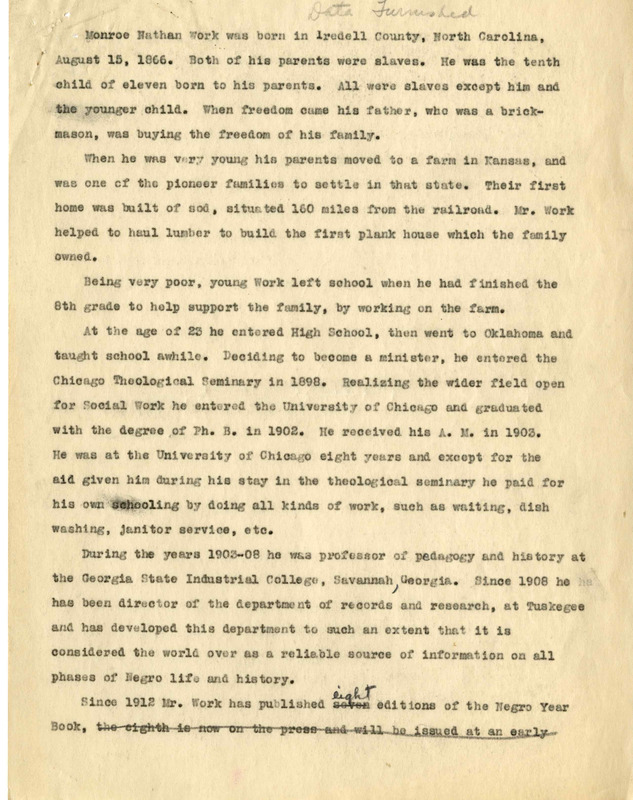
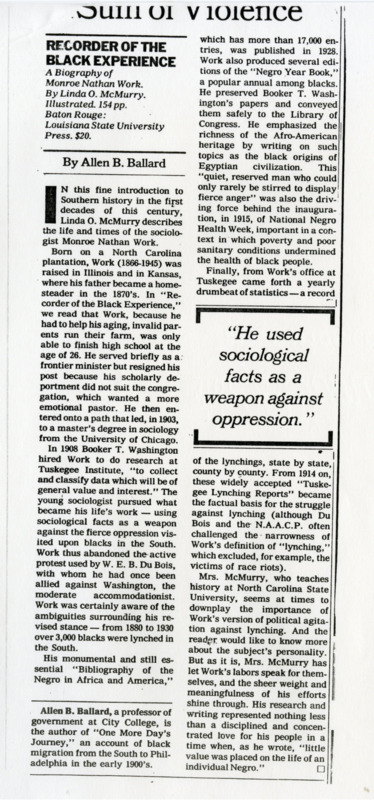
Seven pages of typed biographical information on Monroe N. Work, with many edits written in pencil. Undated, but latest date listed is 1932. "For Miss [Jessie] Parkhurst" is written on one page.
Charles Clinton Spaulding, born in 1874, rose from a farm boy in North Carolina to leading the largest black insurance company, the North Carolina Mutual and Provident Association.
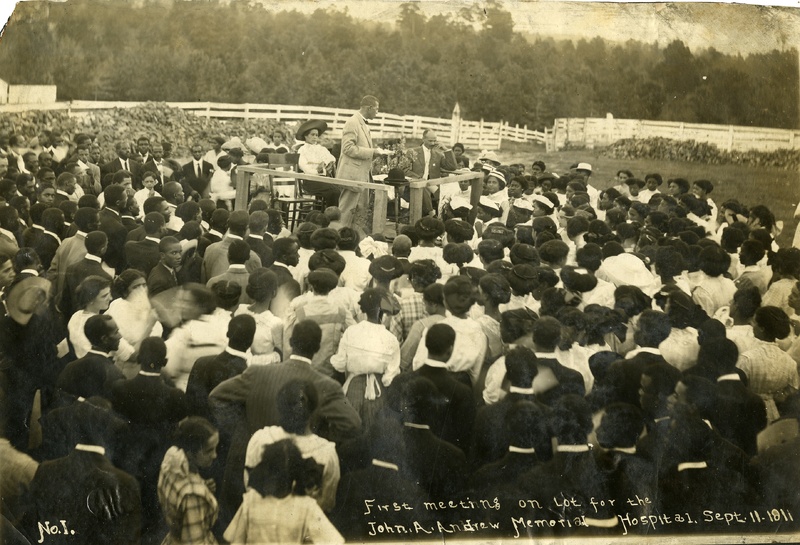
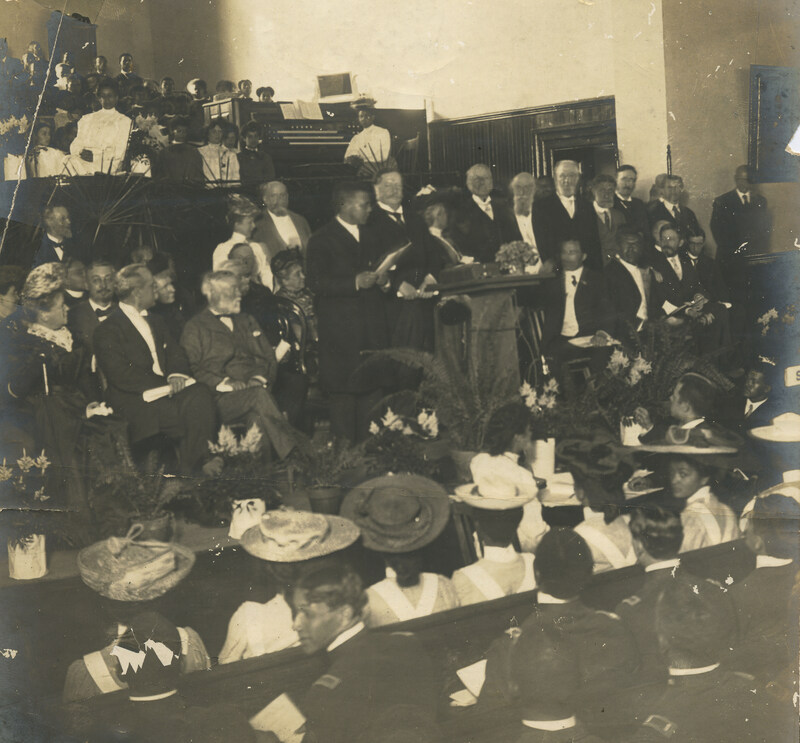
Meeting of the first hospital in Macon County Alabama for negroes. Within this photo is the first principle of Tuskegee Institute, Booker T. Washington, and Dr. John A. Kenney.
Dr. Luther H. Foster, fourth president of Tuskegee University, highlights Booker T. Washington's life and legacy, emphasizing his administrative strength, humanitarian commitment, and systemic problem-solving amid personal sacrifice, with his impact seen as even more profound when understood within the challenges of his time.
Hattie Simmons Kelly, James W. Williams and Leloa Belton being interviewed for a docmentary on Booker T. Washington and his achievements with Tuskegee University.
Interviewing Leola Belton, James W. Woodson and Dr. Luther Foster on Booker T. Washington, the creation of Tuskegee Institute, and the philosphy of his life.
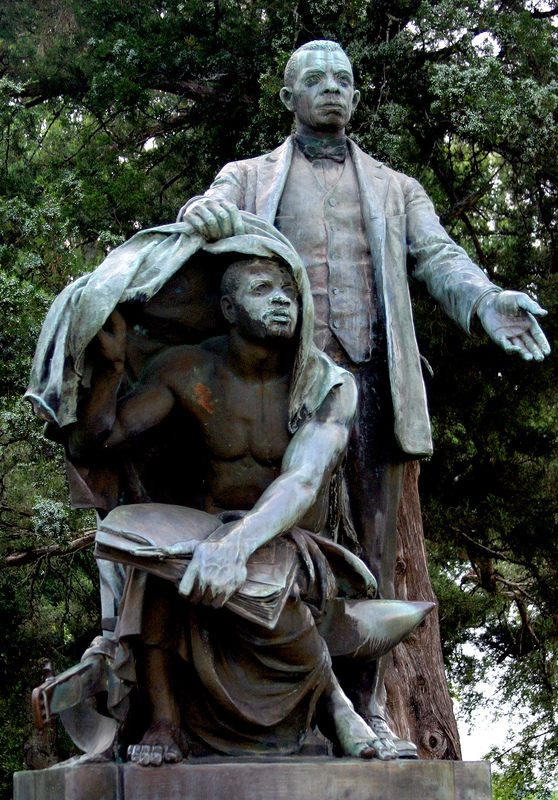
Image of Booker T. Washington monument on Tuskegee University's campus. The statue was commissioned by Booker T. Washington High School's principal, Charles Lincoln Harper, in 1927. The sculptor of this statue was Charles Keck.
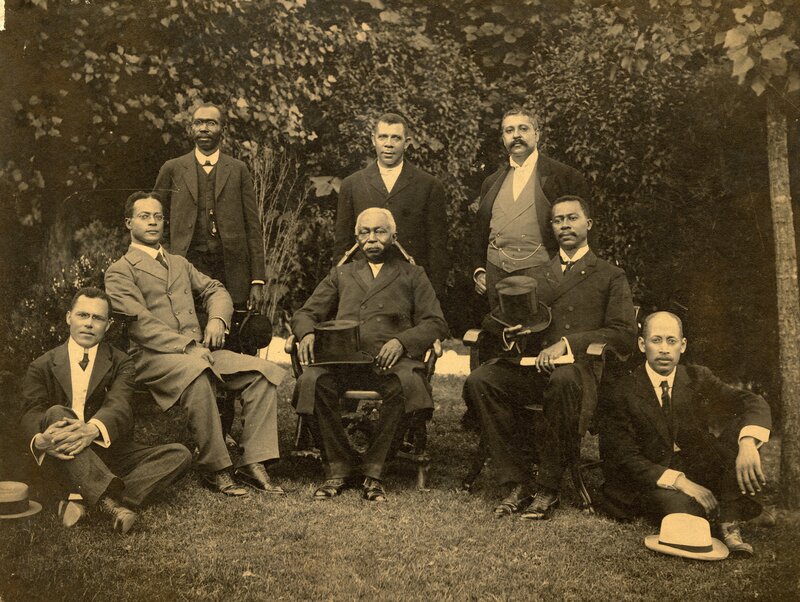
Booker T. Washington welcomed the Liberian Commission to the United States in 1909. This photograph shows the Commissioners seated from left to right: Charles B. Dunbar, G. H. Gibson, a former president of the Republic of Liberia, J. J. Dossen, a former Vice President of the Republic.